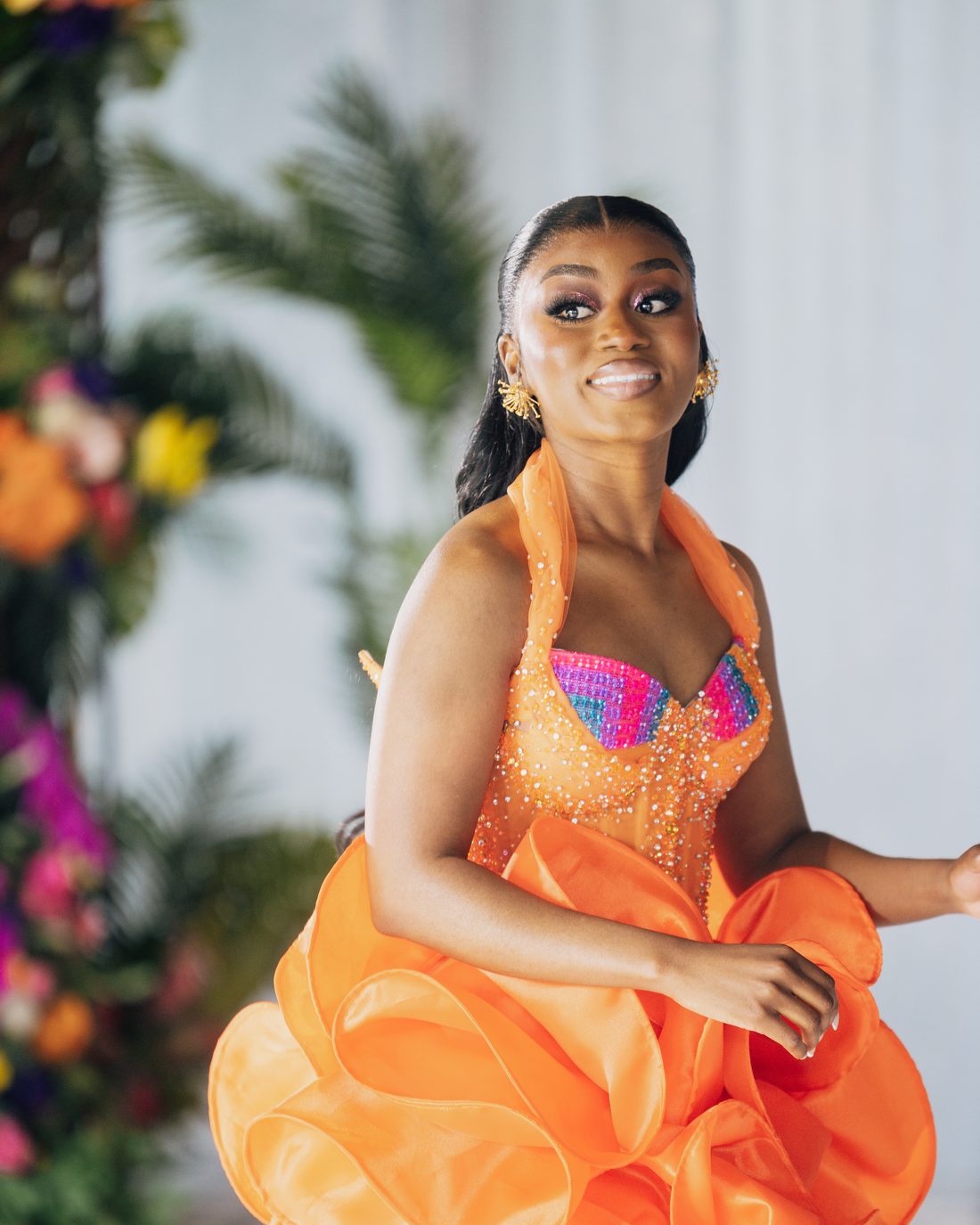
The day, in order.
Not a grid of thumbnails. A wedding day the way it actually runs, and what we are doing at every point in it.
The paper, and the small things
The invitation is the first thing your guests hold, so it sets what they expect of the day. We proof it before it prints, because a wrong ZIP code reaches two hundred people at once.
Then we chase the addresses, mail it, and keep the replies. You should not be counting yes and no in a group chat four months before your wedding.

The morning
Hair and makeup runs late more often than any other part of a wedding day, and every minute it loses comes out of your photographs.
So we build the morning backwards from the ceremony, with the getting ready room, the dress, the flowers and the photographer arriving in an order that works. Then we hold that schedule out loud, while you enjoy the room.

Getting there
Cars are the most commonly forgotten line in a wedding budget and the easiest way to start the day thirty minutes down. We book them, brief the drivers with the route and the running order, and know where the second car is when your aunt decides she is not riding with the group.
Then, just before the doors, there is a minute that belongs to no schedule. That is the moment the whole plan exists for. It is also the moment we stop talking.

The room, before anyone sees it
A room that looks effortless has been measured. Table count, dance floor size, sight lines from the back, where the cake sits so it is not behind a column, and how long the florist actually needs on the risers.
We are there while it is built, walking it as a guest would, moving the things that photograph badly and finding the seat nobody can see the top table from.

The ceremony
For about twenty minutes nothing needs managing, and that is the point of everything before it.
We are at the back with the readings, the rings, the officiant's notes and the musician's cue, so the only people thinking about the order of service are the two of us.

The rings
Small things, carried by whoever was asked last. We know who has them, we ask before the ceremony rather than during it, and we have a plan for the moment a pocket is empty.
The same goes for the license, the vows if they are written down, and the speech somebody has printed on a phone at four percent battery.

The first hour as a married couple
This hour disappears if nobody protects it. Guests want you, the photographer wants you, and the caterer wants a decision about the passed appetizers.
So we take the decisions, hold the guests for a few minutes, and give you the hour. It is the one couples tell us afterwards they remember most.

The portrait
Portrait time is the first thing couples give away when the day slips, and the only part of the day you keep on a wall.
We protect it in the timeline, tell the family group exactly where to be and when, and run that list ourselves, so your photographer is photographing rather than calling out names.

The reception
Between the ceremony and the first course, a room has to change completely and nobody is allowed to see it happen. Floor plan, seating, linen, lighting, place cards, the cake in the right place and the band loading in without walking through your guests.
This is the least romantic hour of the day and the one that decides how the evening feels. Get it right and the doors open on a room nobody recognizes.

Leaving together
At the end somebody has to settle the vendors, gather the gifts, find the dress bag, return the hired glassware and get your grandmother into the right car.
It is not you. You are already gone.

One day, and about four hundred decisions underneath it.
You will make the ones that matter to you. We will make the rest disappear.